· Jenna Wyatt
How I wrote The Dead Don't Tell
There’s a point in every thriller where I stop pretending I’m in control of the story.
I usually know who the bad guy is. Usually. I know the setup. I know the body count. I know which characters are going to lie to everyone around them while insisting they’re the only honest person in the room. But somewhere around the middle of every book, the story takes my outline, laughs directly in my face, and does whatever it wants.
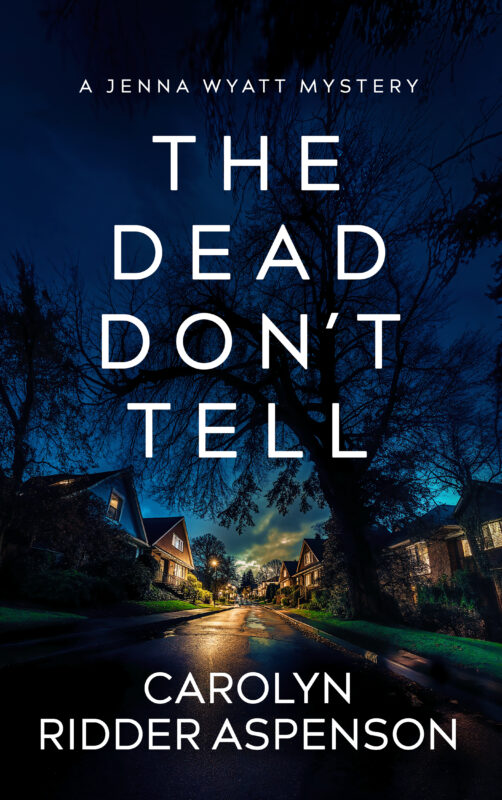
That’s exactly what happened while writing The Dead Don’t Tell.
I started this book thinking I understood the investigation. I had my notes. My timelines. My carefully organized folders. I knew Jenna Wyatt and Parks were walking into something ugly involving luxury rentals, a high-end crime ring, and a dead undercover agent. I thought I knew where every road led.
Turns out, the characters had other plans.
And honestly? That’s my favorite part.
I love a good twist. Not the kind you can spot from chapter three while eating pretzels and yelling at the TV. I mean the kind that sneaks up on you so quietly you stop typing and stare at the screen for a full minute thinking, “Well…that escalated.”
The best twists surprise me too.
People always ask how I come up with this stuff, and the truth is I don’t sit alone in a dark room wearing a trench coat while dramatically plotting murders on a corkboard. I research obsessively. I talk to people smarter than me. A lot of people smarter than me.
When I write thrillers, I lean heavily on experts because I want the details to feel authentic. I ask law enforcement questions. I ask investigators questions. I ask former federal agents questions. I ask medical people questions that probably make them regret answering my phone calls in the first place.
I’ve learned there’s a very specific tone people use right before saying, “Carolyn, why exactly do you need to know how long it takes someone to…” and that’s usually when I realize I sound mildly concerning.
I also research by reading books written by authors who are brilliant at suspense and pacing. I study crime fiction constantly. I watch true crime documentaries. I watch fictional crime shows. I watch the good ones, the ridiculous ones, and the ones where the detective solves a murder in forty-two minutes while maintaining perfect hair and emotional stability. Unrealistic, but inspiring.
Every book teaches me something new.
Sometimes it’s procedural. Sometimes it’s psychological. Sometimes it’s discovering that a luxury spa can become ten times creepier the moment you start asking who owns the building and why nobody asks questions about the people coming and going.
And then there’s Parks.
Poor Parks.
Every time I write him, he becomes more sarcastic than the last book, which probably says something about my own personality at this point. Jenna pretends he annoys her, which makes writing their scenes ridiculously fun because half the tension comes from the fact that neither of them says what they’re actually thinking.
That dynamic only works because the world around them feels real enough to support it. That’s why I spend so much time researching details most readers will never consciously notice. The rhythm of an interview. The way investigators talk when they trust each other. The tiny behavioral tells that scream guilt before anyone says a word.
Those details matter.
They create the atmosphere where twists can land hard.
And trust me, this book has twists.
Some of them even blindsided me.
There were moments while writing The Dead Don’t Tell where I literally stopped typing and said, “Oh no,” out loud to an empty room while my cat looked at me like I’d finally lost what little sanity remained.
That’s usually how I know I’m on the right track.
Because the best thrillers don’t just surprise the reader.
They surprise the writer too.